
Blog
March 17, 2026

Not sure whether you need a trademark, a patent, or both? Former USPTO examiners break down the key differences and what makes sense for your business.
March 16, 2026

A trademark clearance search done before filing is a different exercise than what the USPTO examiner does — and that gap costs applicants money. Here's what it covers.
March 13, 2026

Most trademark guides quote the USPTO fee and stop there. This breakdown covers what you actually pay — base fees, surcharges, attorney costs, and maintenance — with 2026 numbers.
March 12, 2026

Most trademark refusals come from clearance gaps, bad identifications, or specimen issues — not filing mechanics. This guide covers both: how to file and what USPTO examiners actually evaluate.
March 11, 2026

A non-provisional patent application takes 24–36 months from filing to grant. This breakdown covers each USPTO stage, office action cycles, and when Track One makes sense.
March 10, 2026

Converting a provisional to a non-provisional patent involves two distinct paths. Choosing the wrong one shortens your patent term by a year. Here's what examiners actually check.
March 9, 2026

Most inventors know they need a description and claims. Few understand that §112(a) imposes three separate legal standards — and failing one sinks the application even if the other two pass.
March 6, 2026

What does a non-provisional patent application actually cost? USPTO fees, attorney rates by technical field, and the hidden costs most guides skip.
March 4, 2026

Most inventors don't know GUI interfaces and partial component designs qualify for design patents. Here's the full breakdown of what the USPTO protects — and what it excludes — from a former examiner.
March 2, 2026

A design patent lives or dies on its drawings. This guide covers required views, surface shading, broken-line strategy, USPTO fees, and examiner evaluation criteria.
February 27, 2026

Not sure what a design patent will cost you? USPTO fees range from $260 to $2,600 depending on entity size — plus drawings and attorney fees. Here's the full breakdown from a former USPTO examiner.
February 25, 2026

Design patents protect how an invention looks; utility patents protect how it works. Learn the cost, timeline, and examination differences — with USPTO examiner insight.
February 23, 2026

Inventors don't find out their provisional spec was inadequate until nonprovisional examination — 12 months later. Here's what's required and why the disclosure standard is what protects you.
February 20, 2026

A provisional patent application secures your priority date — but only if the specification meets the §112(a) standard examiners apply. Here's the process, from documentation to USPTO Patent Center filing.
February 18, 2026

Not sure what happens after you file a provisional? The 12-month clock is firm, unextendable, and the USPTO sends no reminders. Here's what you need to do before it expires.
February 12, 2026

Provisional patent application total cost runs $2,000–$5,000 with professional preparation. USPTO fees alone are $65–$325. Here's the complete 2026 breakdown by entity type and invention complexity.
February 10, 2026





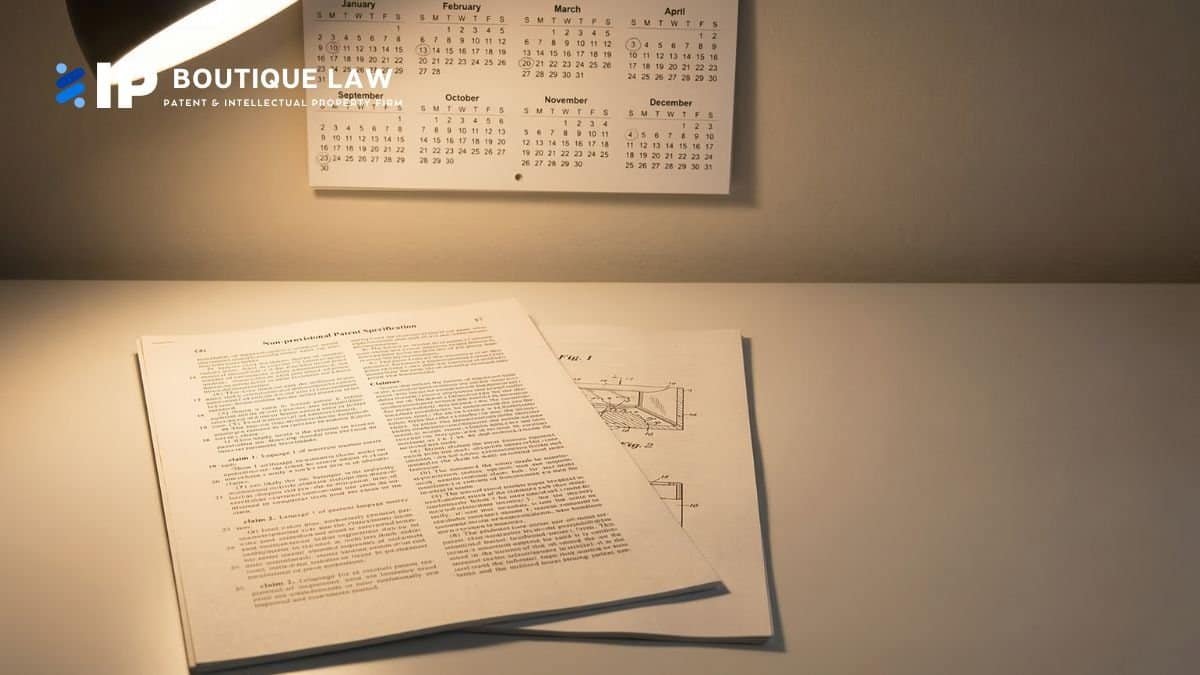
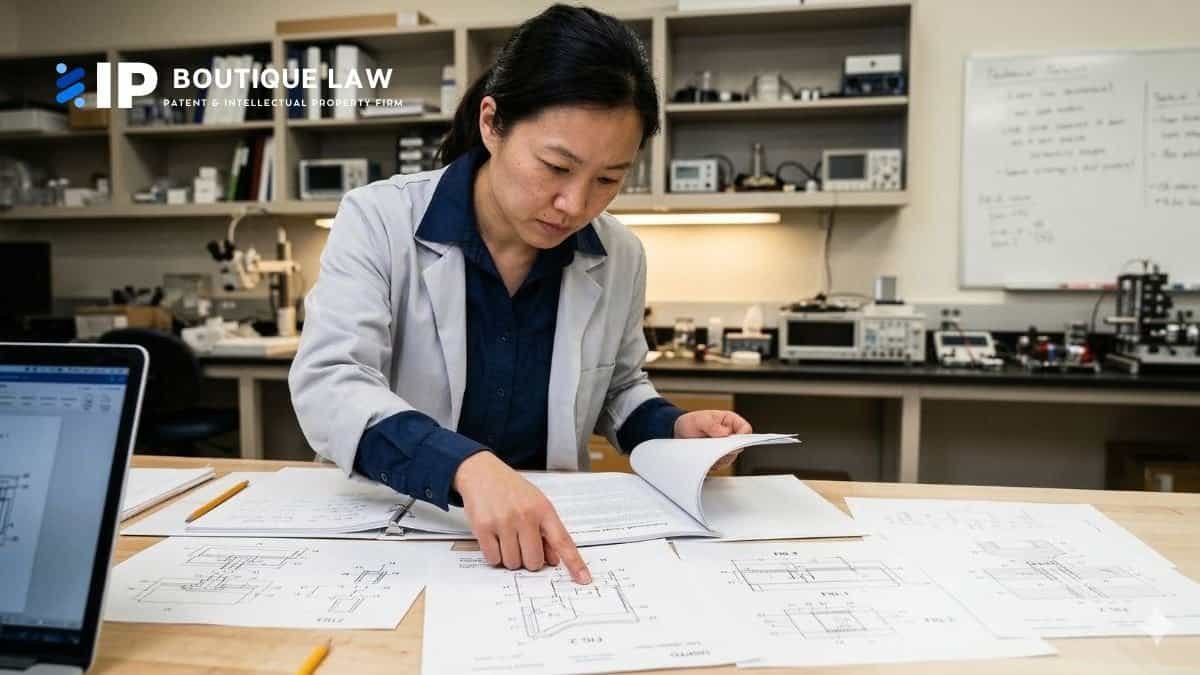






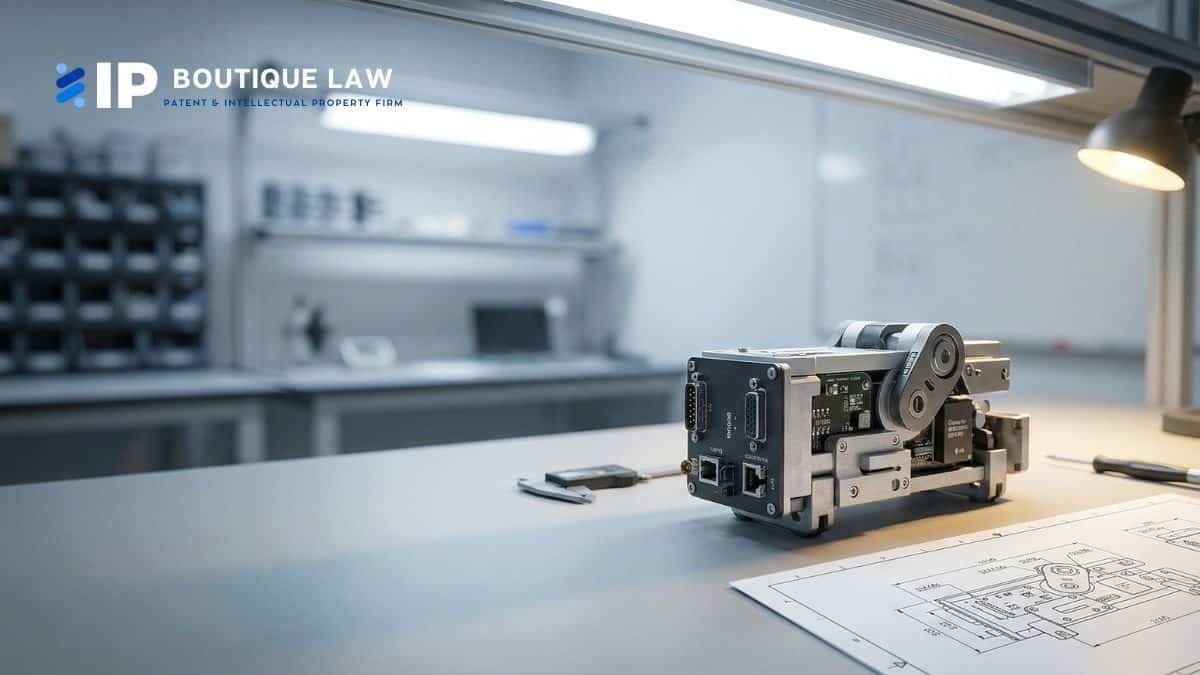




A provisional patent application establishes your priority date but never gets examined. A non-provisional enters the examination queue and can issue as an enforceable patent. The choice depends on your timeline, development stage, and the quality of your disclosure.