
Blog
August 3, 2026

A former-examiner breakdown of RCE practice: fees, docket impact, patent term adjustment, and when it beats the alternatives.
July 30, 2026
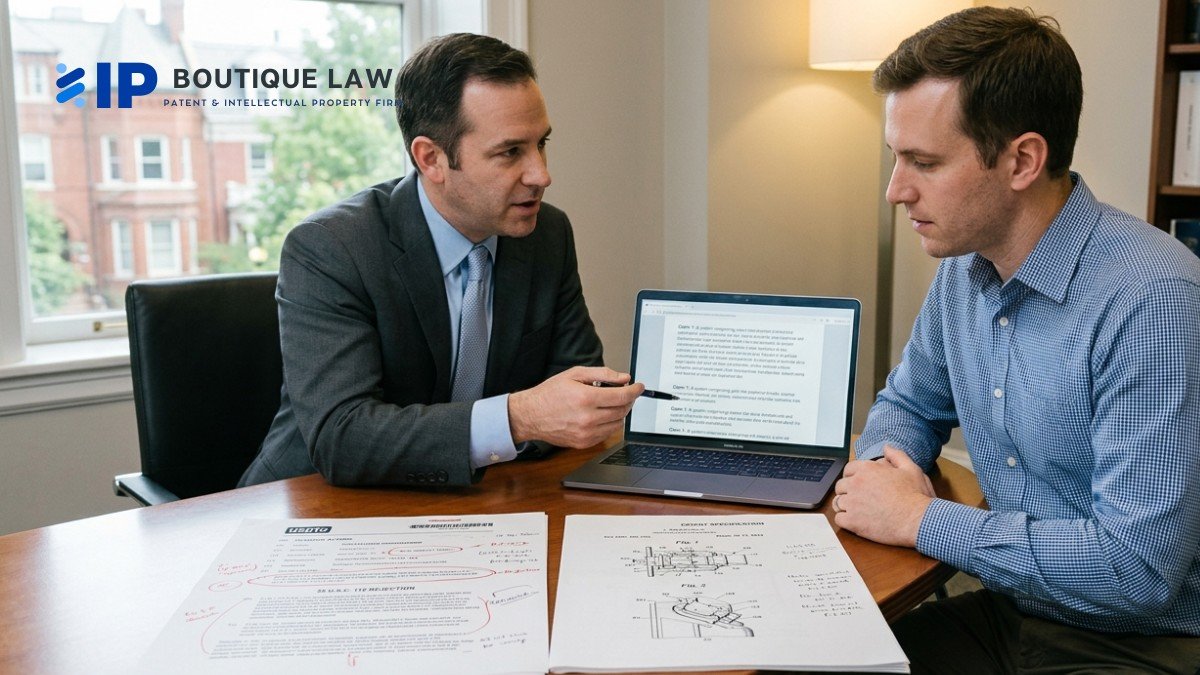
A practical breakdown of 35 U.S.C. 112(a) and (b) rejections, with examiner-level insight on when to argue, when to amend, and when only a specification fix will work.
July 28, 2026

A 35 USC 102 rejection stands or falls on one reference. Here's how to read the claim chart, spot the gaps, and decide when to argue versus amend.
July 15, 2026

Choosing a trademark class is not just paperwork. It shapes how examiners search for conflicts and what your registration actually protects. Here is how to get it right before you file.
July 10, 2026
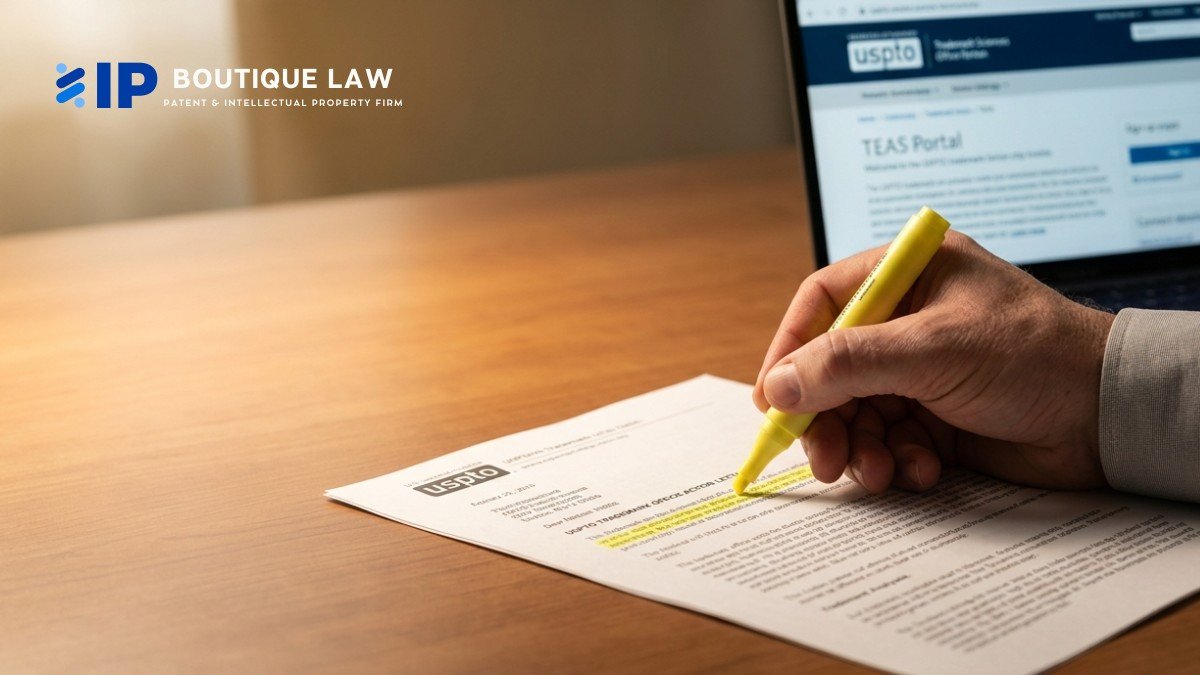
Trademark office actions carry a three-month deadline, extendable once. Learn the refusal types and what separates a response that works from one that doesn't.
July 2, 2026
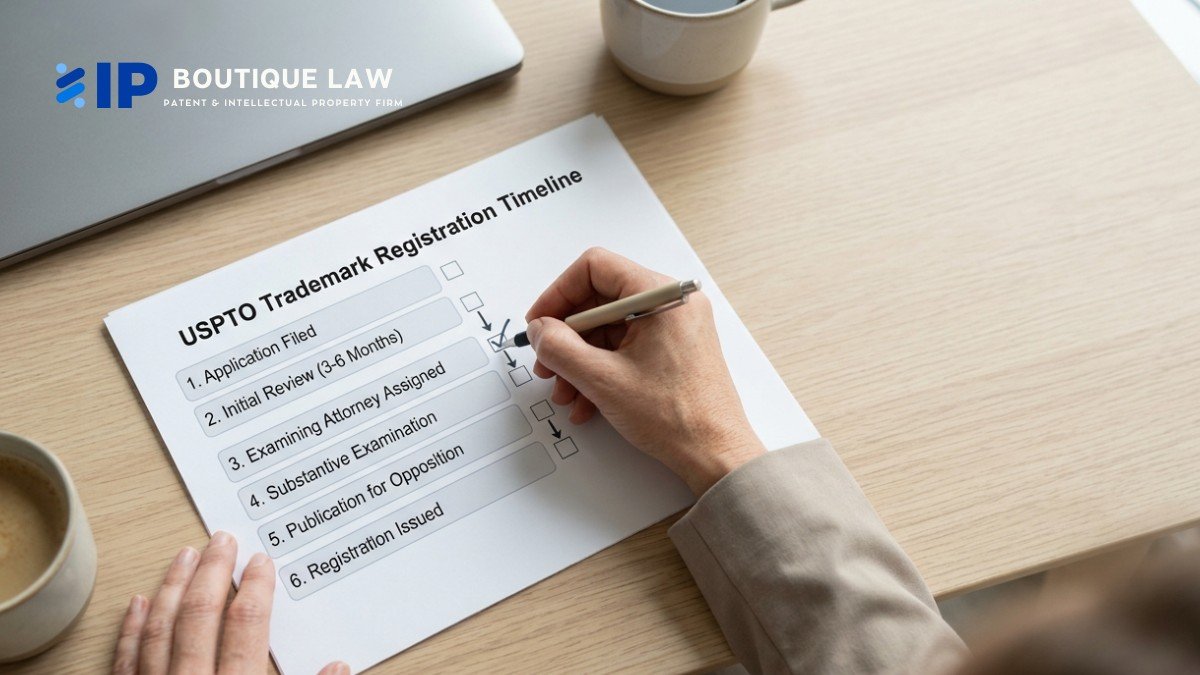
Federal trademark registration takes 12-18 months on average. Here's the full USPTO timeline, from filing through examination to certificate.
June 17, 2026
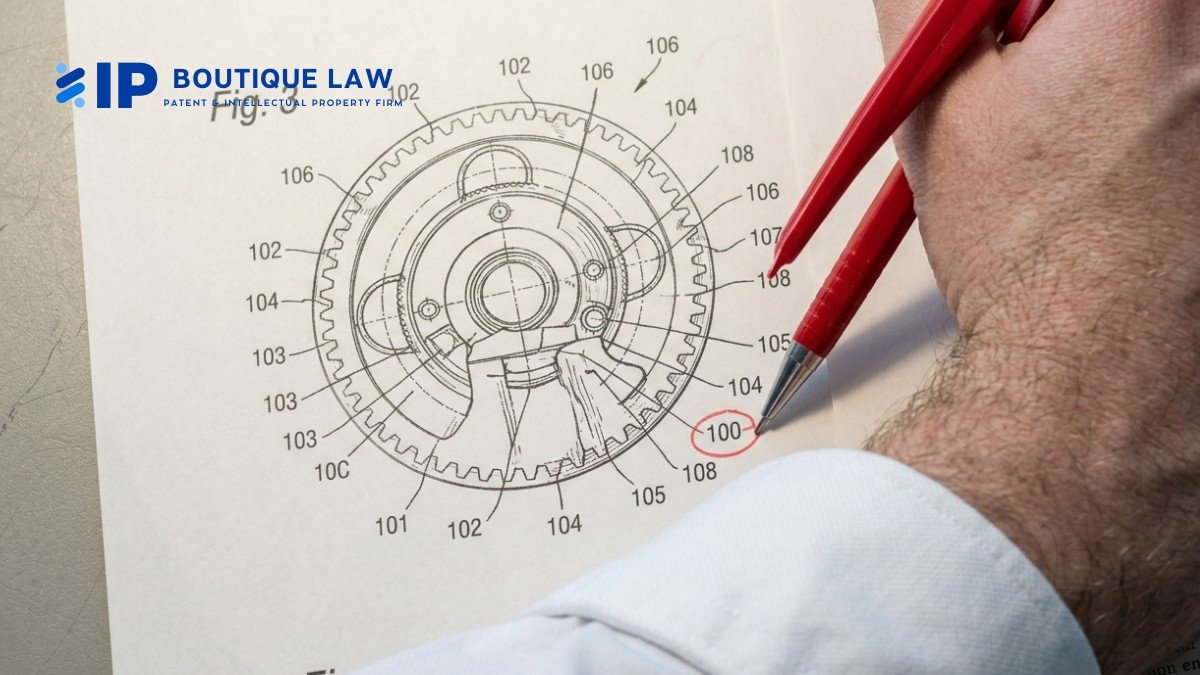
What causes a granted patent to need reissue? Examiner insights on claim scope, specification, drawing, and inventorship errors, and how to avoid them.
June 12, 2026

A patent reissue application fixes claim scope or specification errors after a patent grants. Broadening claims has a firm 2-year deadline — narrowing does not.
May 6, 2026
Patent reissue costs $5,000–$10,000 in attorney fees plus USPTO fees up to $4,960 for large entities. 2026 breakdown with examiner-level insight on what drives the range.
April 16, 2026
Reissue and reexamination solve different problems. One corrects errors in your patent; the other challenges validity against prior art. Knowing which applies to your situation determines the strategy.
April 2, 2026

Amending patent claims during prosecution is not always the right move. Learn when to argue rejections, when to narrow, and what prosecution history estoppel means for enforcement.
March 31, 2026

Most patent prosecution timelines are longer than the USPTO estimates suggest. Here's what examiners see that determines when your case actually moves.
March 30, 2026
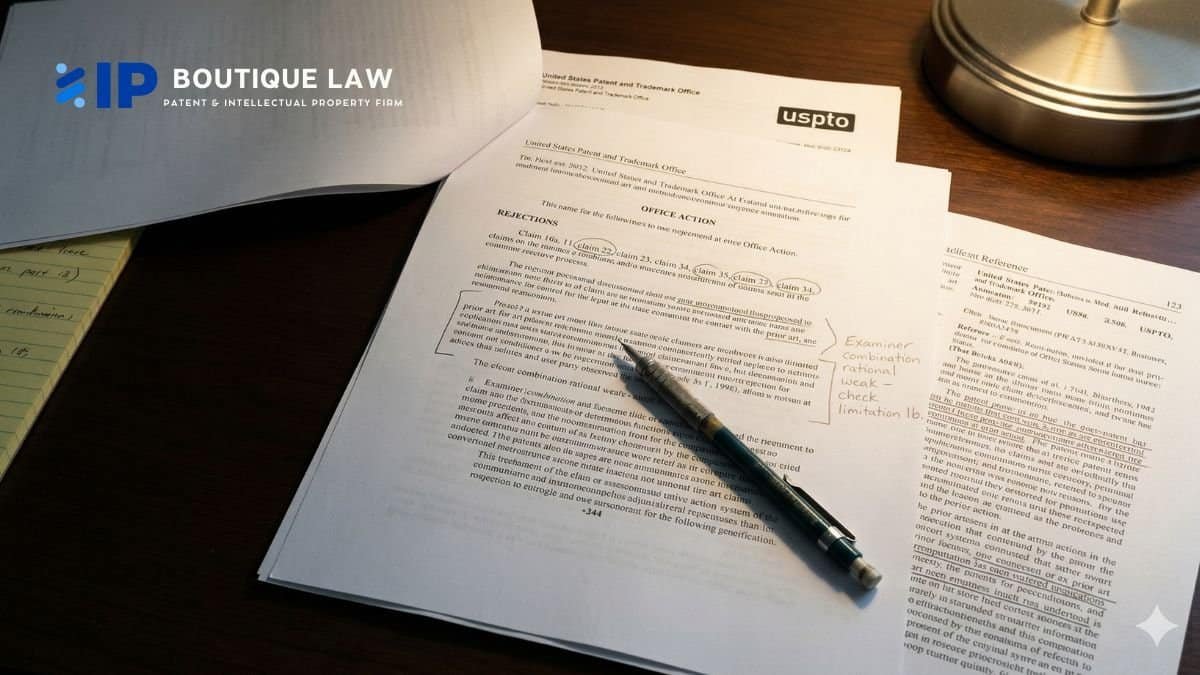
A 35 USC 103 rejection establishes a prima facie case of obviousness based on combined prior art. Understanding how examiners build that case is the first step to rebutting it effectively
March 27, 2026

A patent office action is the USPTO examiner's written assessment of your application — what's rejected, why, and what needs to change. This article explains every type, from restriction requirements to final office actions, with examiner-side context.
March 25, 2026

A patent office action is a rejection of your current claims, not your invention. This guide covers non-final, final, and restriction requirements — with response deadlines, extension fee tables, and the argument strategies that actually move examiners.
March 17, 2026

Not sure whether you need a trademark, a patent, or both? Former USPTO examiners break down the key differences and what makes sense for your business.
March 16, 2026

A trademark clearance search done before filing is a different exercise than what the USPTO examiner does — and that gap costs applicants money. Here's what it covers.
March 13, 2026

Most trademark guides quote the USPTO fee and stop there. This breakdown covers what you actually pay — base fees, surcharges, attorney costs, and maintenance — with 2026 numbers.
March 12, 2026

Most trademark refusals come from clearance gaps, bad identifications, or specimen issues — not filing mechanics. This guide covers both: how to file and what USPTO examiners actually evaluate.
March 11, 2026
A non-provisional patent application takes 24–36 months from filing to grant. This breakdown covers each USPTO stage, office action cycles, and when Track One makes sense.
March 10, 2026
Converting a provisional to a non-provisional patent involves two distinct paths. Choosing the wrong one shortens your patent term by a year. Here's what examiners actually check.
March 9, 2026
Most inventors know they need a description and claims. Few understand that §112(a) imposes three separate legal standards — and failing one sinks the application even if the other two pass.
March 6, 2026

What does a non-provisional patent application actually cost? USPTO fees, attorney rates by technical field, and the hidden costs most guides skip.
March 4, 2026

Most inventors don't know GUI interfaces and partial component designs qualify for design patents. Here's the full breakdown of what the USPTO protects — and what it excludes — from a former examiner.
March 2, 2026

A design patent lives or dies on its drawings. This guide covers required views, surface shading, broken-line strategy, USPTO fees, and examiner evaluation criteria.
February 27, 2026

Not sure what a design patent will cost you? USPTO fees range from $260 to $2,600 depending on entity size — plus drawings and attorney fees. Here's the full breakdown from a former USPTO examiner.
February 25, 2026

Design patents protect how an invention looks; utility patents protect how it works. Learn the cost, timeline, and examination differences — with USPTO examiner insight.
February 23, 2026
Inventors don't find out their provisional spec was inadequate until nonprovisional examination — 12 months later. Here's what's required and why the disclosure standard is what protects you.
February 20, 2026

A provisional patent application secures your priority date — but only if the specification meets the §112(a) standard examiners apply. Here's the process, from documentation to USPTO Patent Center filing.
February 18, 2026

Not sure what happens after you file a provisional? The 12-month clock is firm, unextendable, and the USPTO sends no reminders. Here's what you need to do before it expires.